

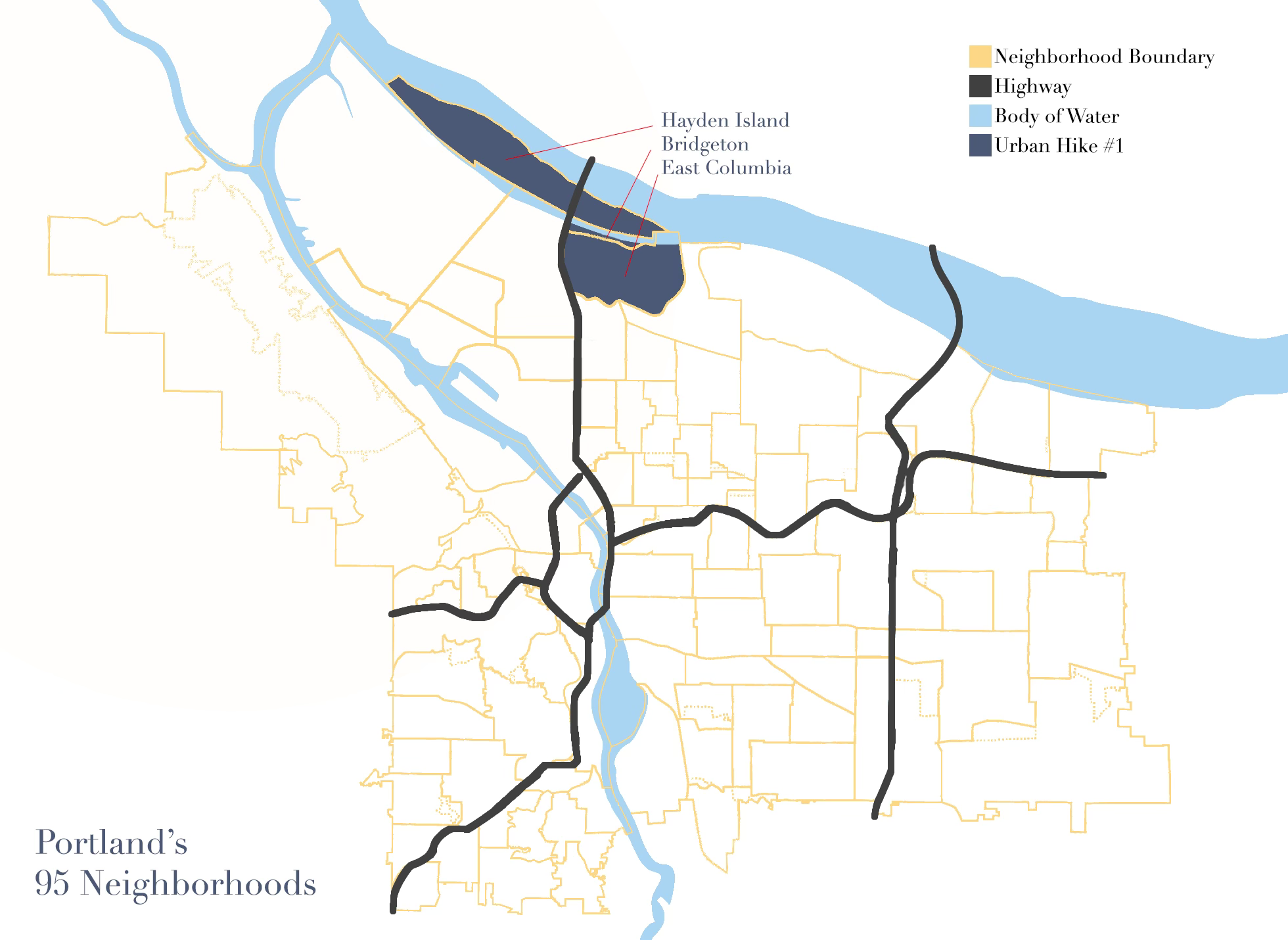
Urban Hike #1
a photo-story by Kris of the Buckman team


Distance walked: 7.76 miles
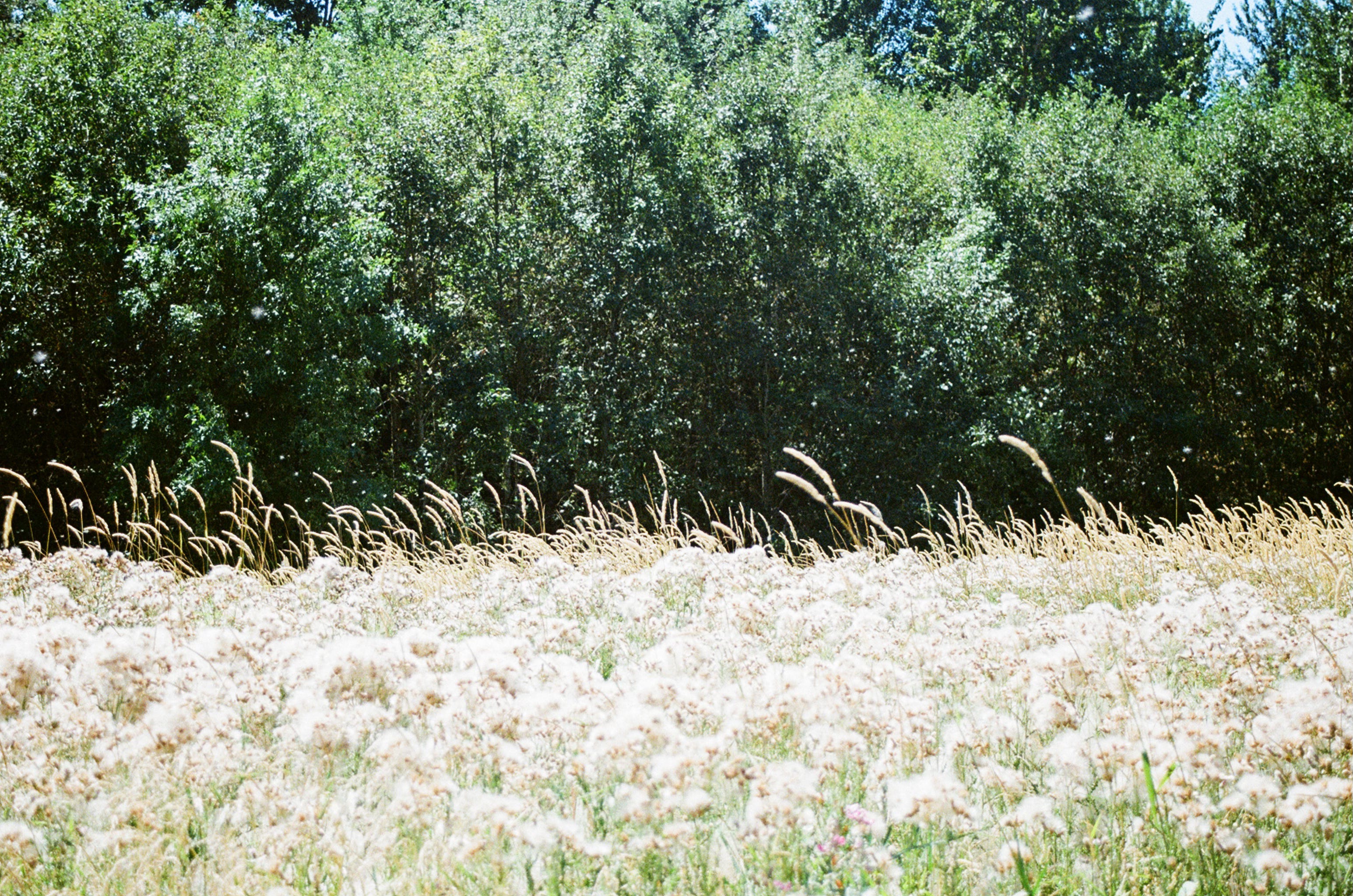
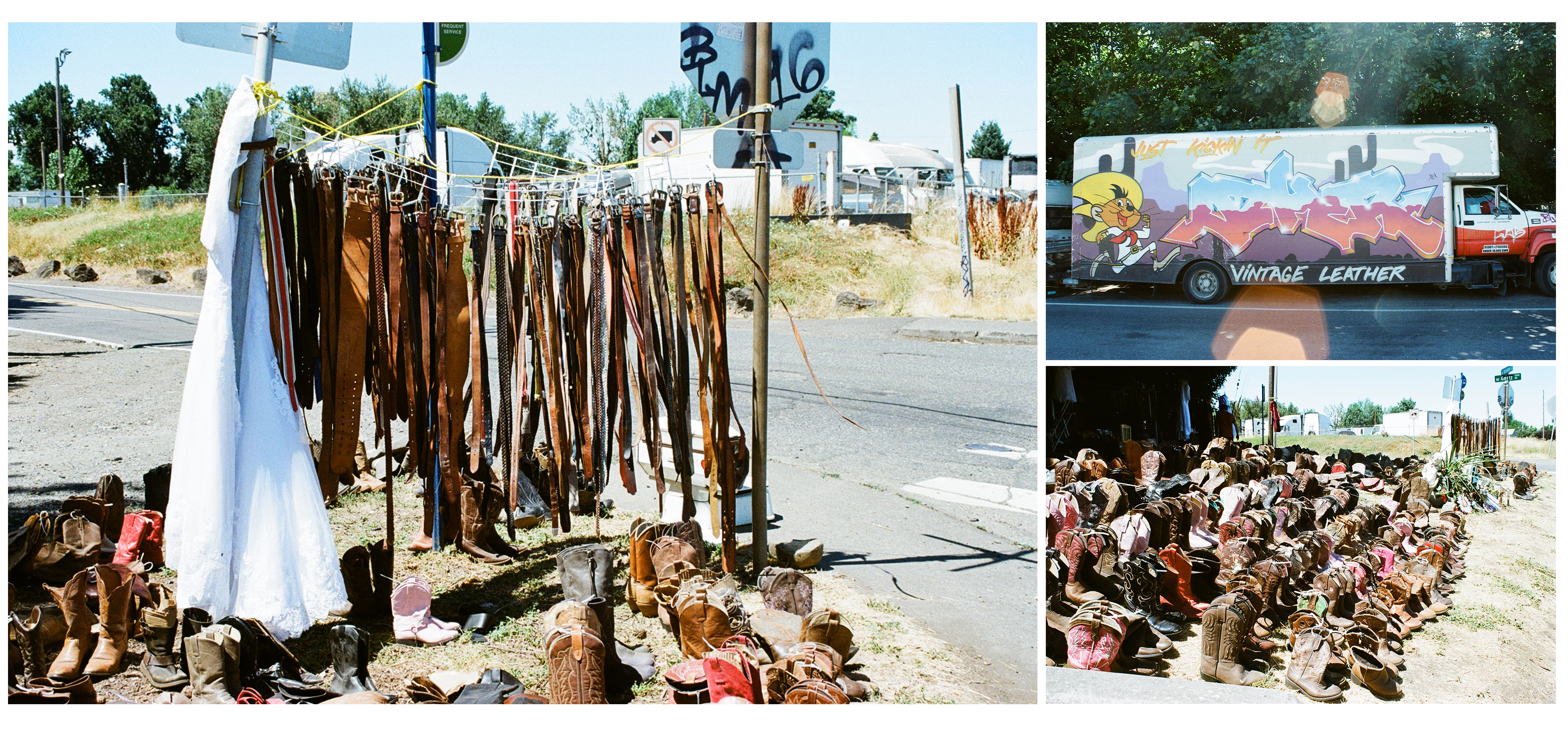
There is no easy way to get to the Columbia Children’s Arboretum without a car. Located between truck yards and private country clubs, the area looks more like the desolate sprawl of a southwestern desert than what you’d expect to find in the PNW. No trees, no sidewalks, just a dirt path along a busy road. From the bus I spot a roadside flea market and consider getting off a few stops early, but decide the walk is too treacherous. Instead I get off where maps tells me to, endure catcalls from truckers leaning out their windows, and walk with confidence toward where I think my destination may be.
Portland prides itself on being walkable and easy to get around, and after 10ish years of living here without a car, I find that to be generally true. Most places I go are an easy walk through an idyllic neighborhood, with plenty of trees for shade and a bus stop on every block for longer journeys. The sidewalks could use some work, but ultimately I feel safe. Of course, every city has its pockets: unfamiliar streets, areas that aren’t as densely populated or thoughtfully cared for, people you aren’t sure you can trust. . .but I know what to expect and am usually not bothered by much.
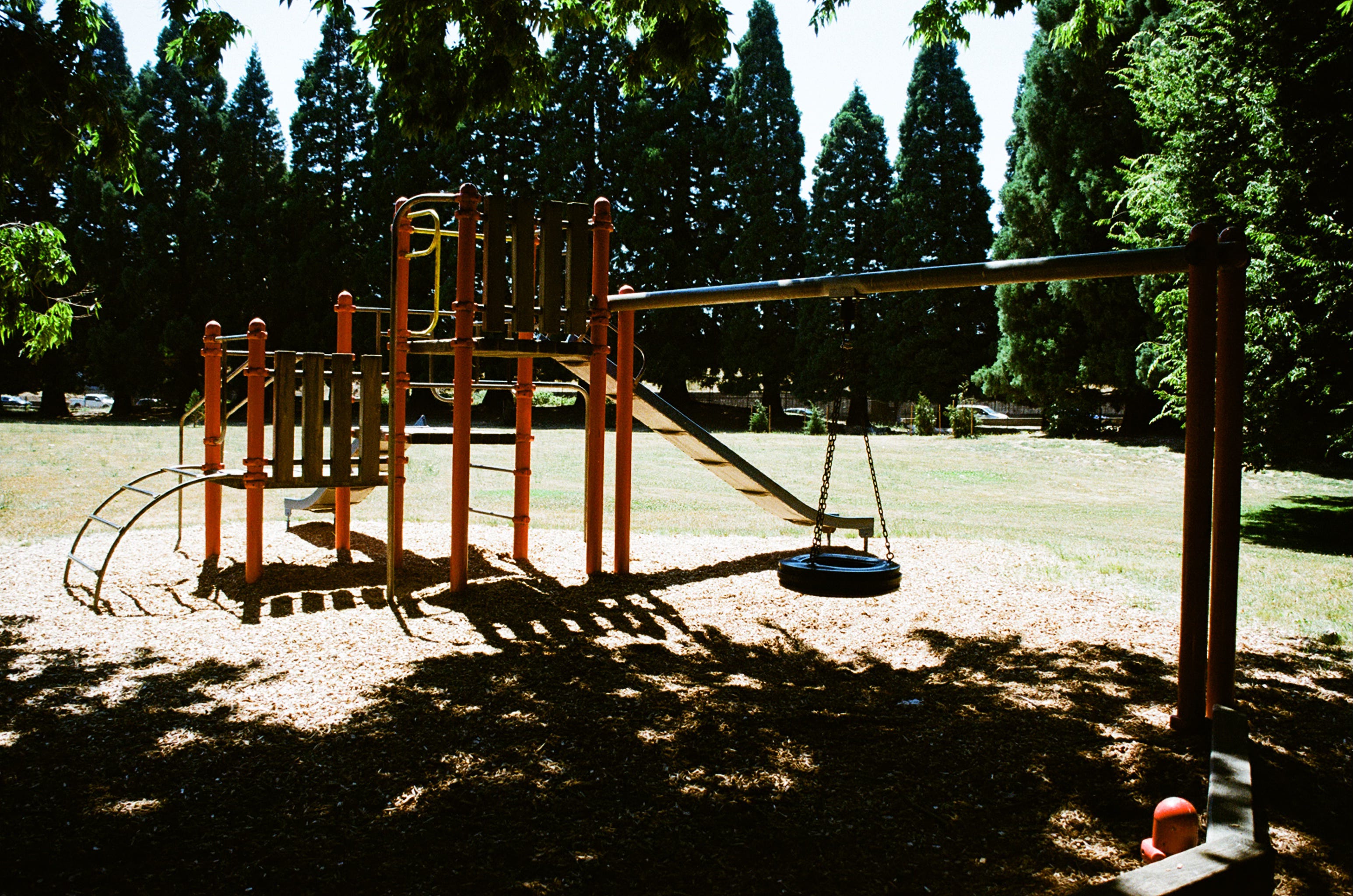
Up here, where the Columbia River separates Portland from Vancouver, I have no idea what to expect. The lack of trees makes me feel more exposed. The lack of people, like a target. Then finally, I reach a small residential neighborhood. Online, the area is described as a neighborhood “in transition.” I continue through to the entrance, fortunate to have a greener place to go. The park is a welcome escape from the traffic. I focus my attention on the trickling stream, the unruly wildflowers. I am pleased to find there are kids running around with their families and friends hanging out at picnic tables. . .that folks in the neighborhood have this oasis. I rest in the shade, wander down random paths for some time, then exit the park on the opposite side from which I entered.
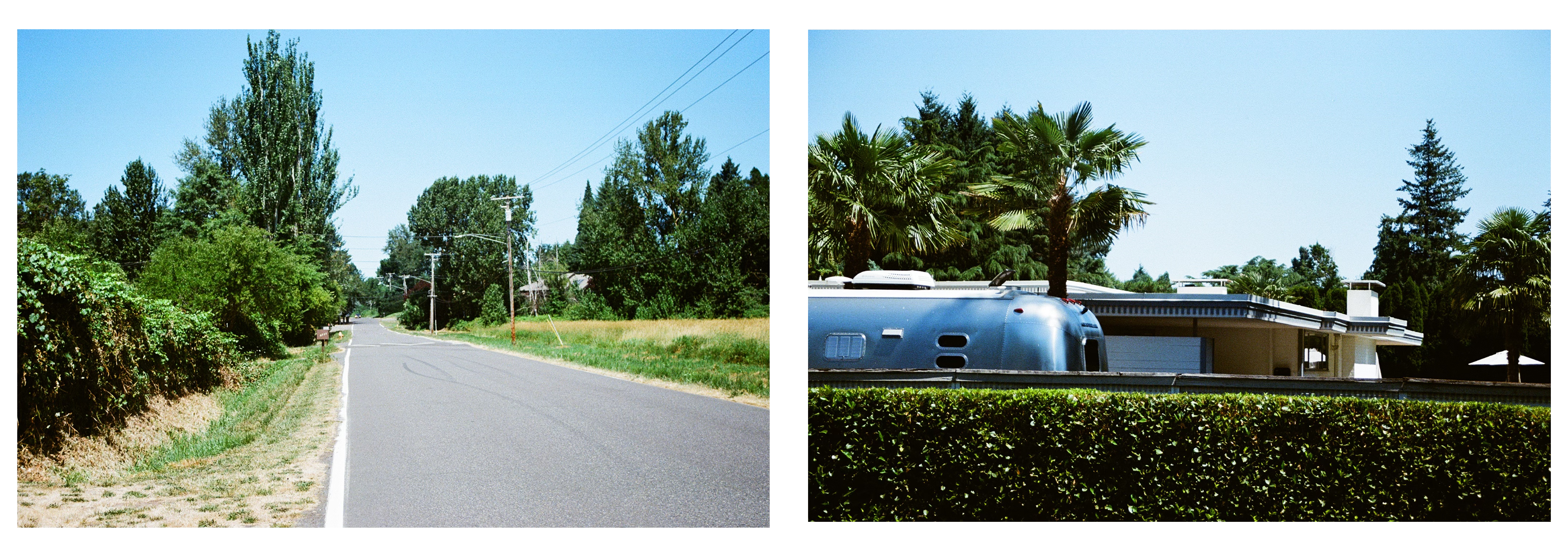
I’m surprised to find that on this side of the park, the houses are bigger. There are more trees and safer paths to walk—still I imagine the folks living here go straight from house to car-in-garage to closest Olive Garden. Everything is spread out, there is more room to breathe, and of course there is a spectacular view of the surrounding Country Clubs/Yacht Clubs/Golf Courses, where lines of trees provide a natural barrier. The paved sidewalk swiftly turns to gravel as I reach the end of the houses. A subdivision where no one has to meaningfully engage with anyone outside their same economic status. Nearly impossible to get to by foot or bus, stunted by the promise of progress.
I continue my trek toward the river, and find myself profoundly frustrated at the lack of through streets. Again, maps directs me down busy roads without sidewalks. I backtrack to find a safer route, do my best to navigate RV parks and boat wash stations. Then finally, the water. And even more thrilling, a convenience store.
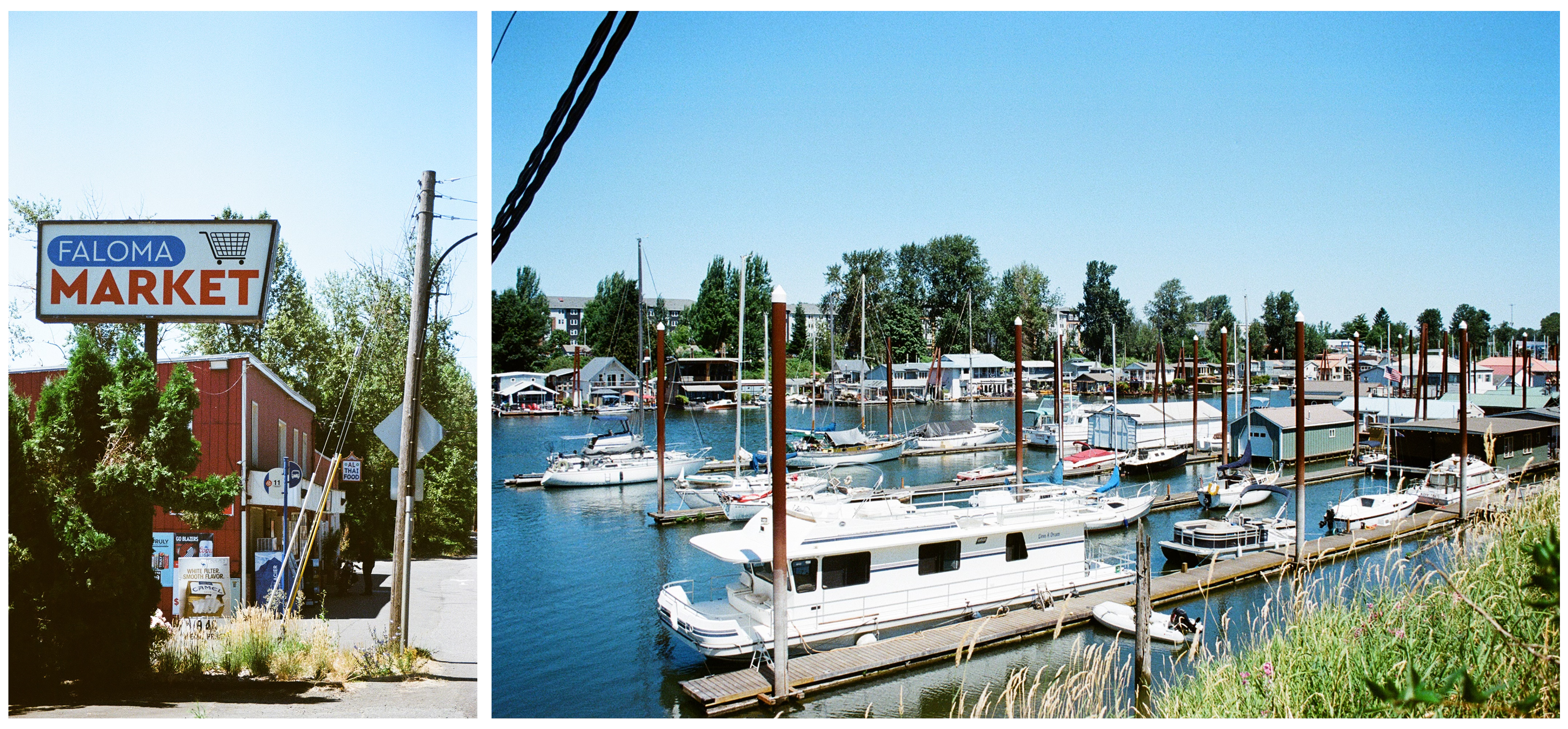
I purchase popcorn, a snickers, gatorade, get harassed by two bikers on my way out the door, then run across the busy road. Out by the dock, there are riverside condos decorated with “private property” signs to keep out the riff raff. I find myself on a footpath surrounded by wildflowers, take a breath of fresh air, eat my snacks. I think about how secure I feel passing the signs, knowing I’m not the riff raff these folks are concerned about over here. How I could just play dumb if anyone questioned me. Playing dumb is my best defense.
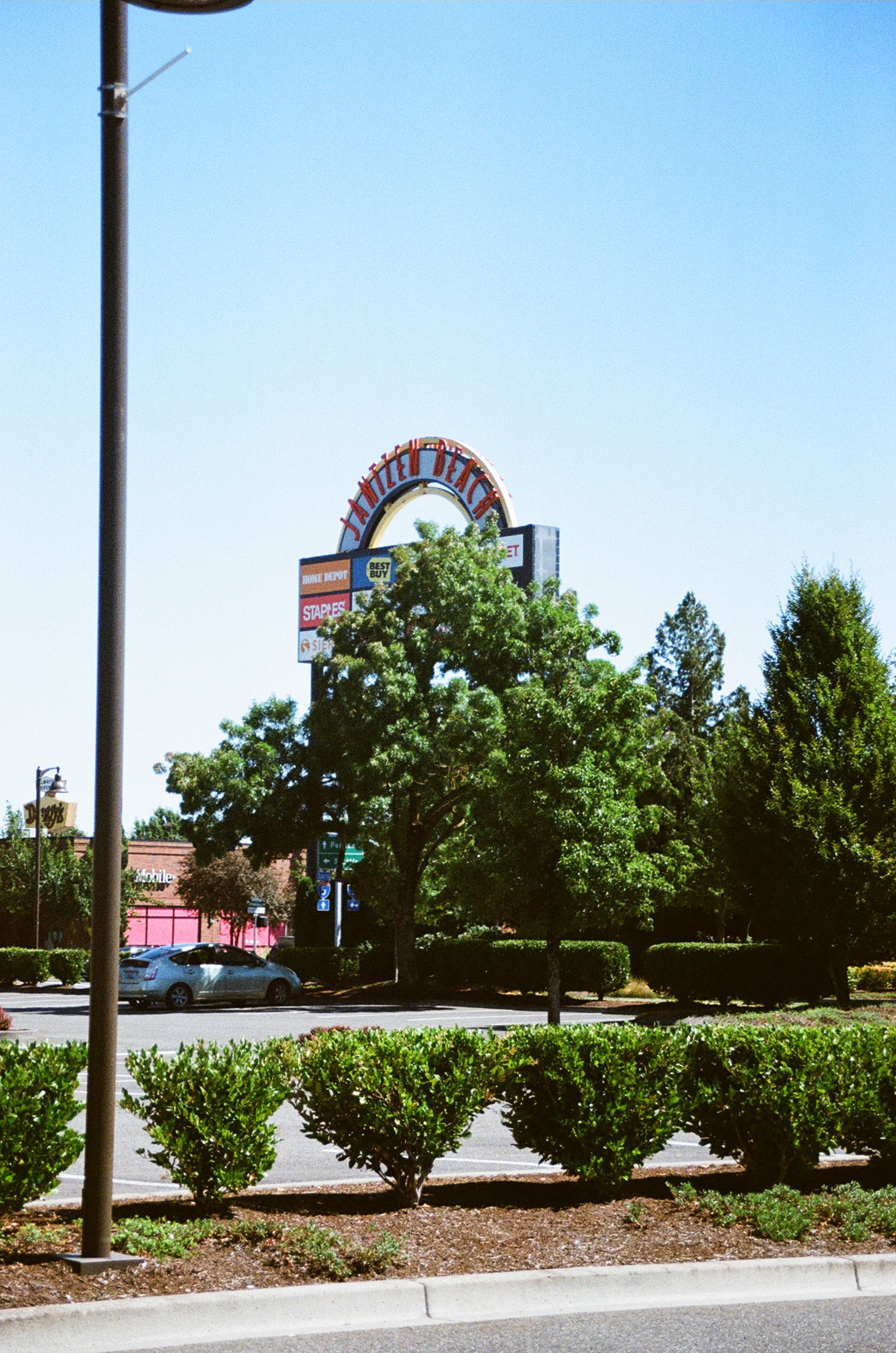
Eventually, the path leads away from the river and up toward an intersection of bridges and highways. I know Delta Park is on the other side, within reasonable walking distance if it weren’t for the obstacles of car-centric infrastructure. I make it across to another green space lacking access. The vacancy feels like a threat, so I don’t stay long. Instead, I bus over to Hayden Island to the stop between abandoned strip malls. I’m the only one getting off, the rest of the riders continue through to Vancouver.
To get to the strip mall that’s still operational, I have to cross under another bridge. Another place only accessible by car. I try to imagine the amusement park that once occupied the space with its few signs left behind, the glamour of all the lights, the inexplicable allure of a carousel. I go back further to envision the island devoid of concrete and shopping centers. Still two separate landmasses lush with cottonwood and ash trees.
There are small beaches on the east side of Hayden Island (also known as Tomahawk Island). I’d been scolded there before, while cutting through a private park to go paddle boarding. That’s the side with the floating houses and marinas. But on maps, the west half the island is unmarked, and either curiosity or hope drives me to explore more. I follow concrete to a metal fence, the view blocked by a railroad overgrown with weeds. Two cars parked at the edge of the lot have branches growing through the windows. In the future this is how most of earth will look: relics overtaken by the natural world.
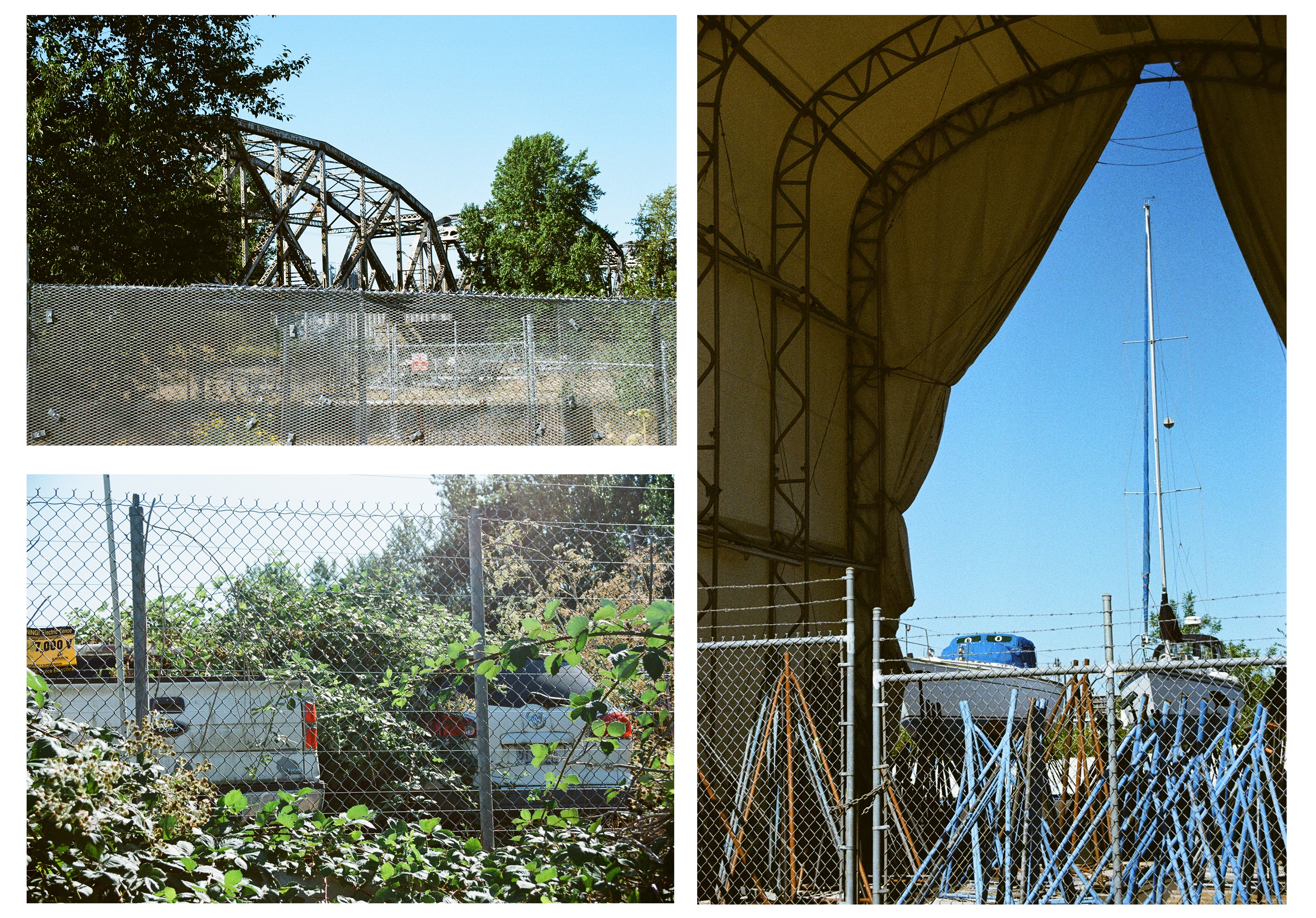
When I hike in the forest, I take a trash bag and pick up a few water bottles left behind, a sandwich wrapper, a beer can. But on the edge of the city, trash takes the form of neglected buildings, a car with four flat tires, empty concrete parking lots, fences, public dumping. Things too big to carry in spaces we pass through but don’t really look at or look after.
I’m left with the feeling, it doesn’t have to be this way.
I take a different route back to the bus stop, cut through a community of mobile homes with potted plants outside each door and lots of good house cats taking in the sunshine. Someone stops to ask if I’m lost, and it’s the only friendly encounter of the day.
 | A guest post by
|